04Know the animal, portions and process

Live crabs and lobsters, explained

Mud crab, king crab and tropical lobster are built differently. Use this guide to understand the main meat areas, choose a cooking approach and order live seafood with confidence.

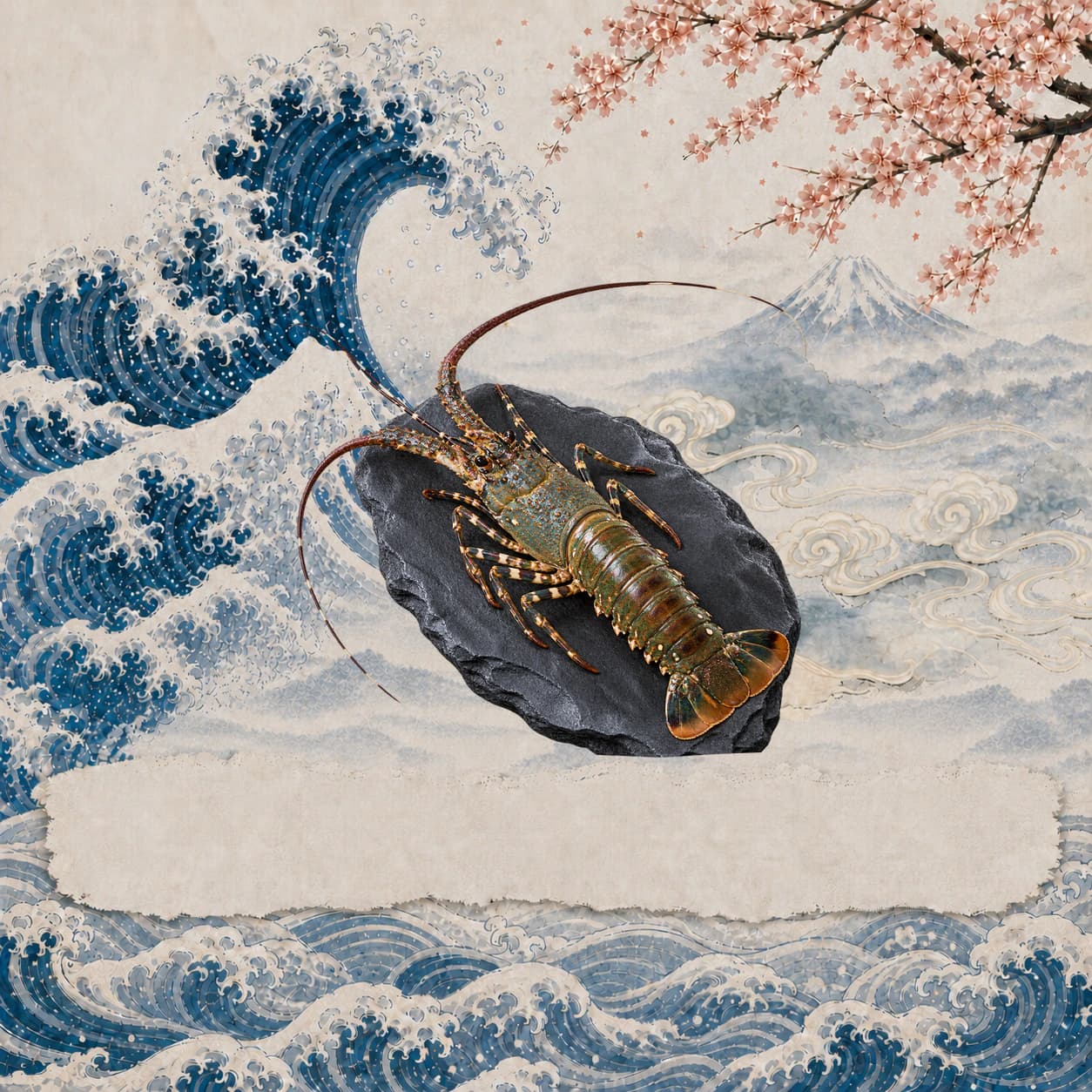
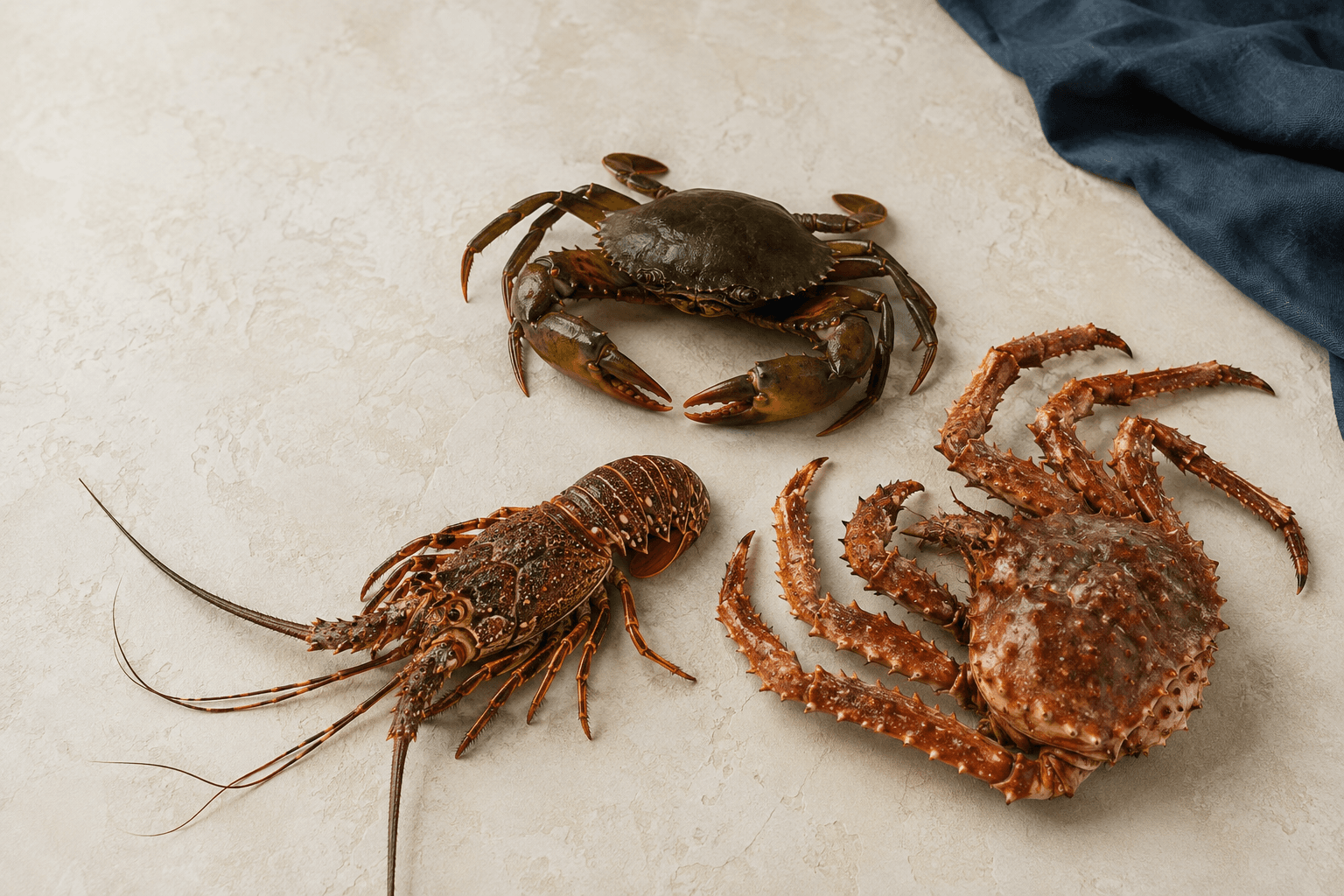
A crab and tropical lobster presented as a culinary study

Side by side

Three different live choices

The right choice depends on the experience and dish you want—not on treating crab and lobster as versions of the same animal.

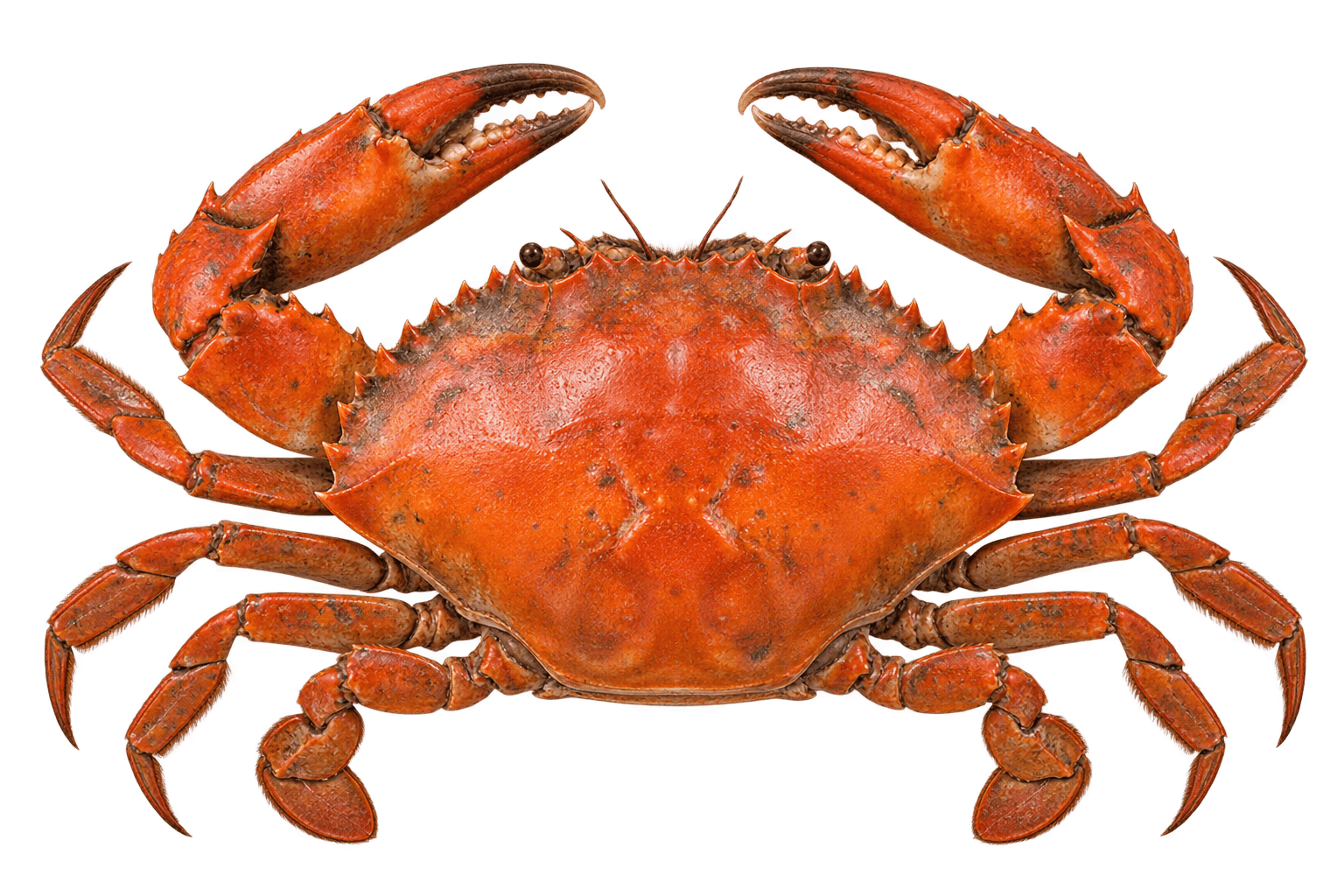
Live Mud Crab

Live Mud Crab, 活泥蟹Live Mud Crab活泥蟹

A compact crab format with distinct claw, leg and body sections.

Appearance / format
Whole live crab with claws, legs and body chambers
Listed sizes
500–600 g, 600–700 g, 700–800 g, 800–900 g or 900 g–1 kg
Source / identity
Catalogue-listed as Live Mud Crab
Best uses
Steaming, chilli crab and pepper crab
Preparation
Ask SeaBaeHo for handling guidance if needed; clean safely and cook thoroughly
Choose it when
You want distinct claw and body portions in a whole-crab dish
Live Alaskan King Crab

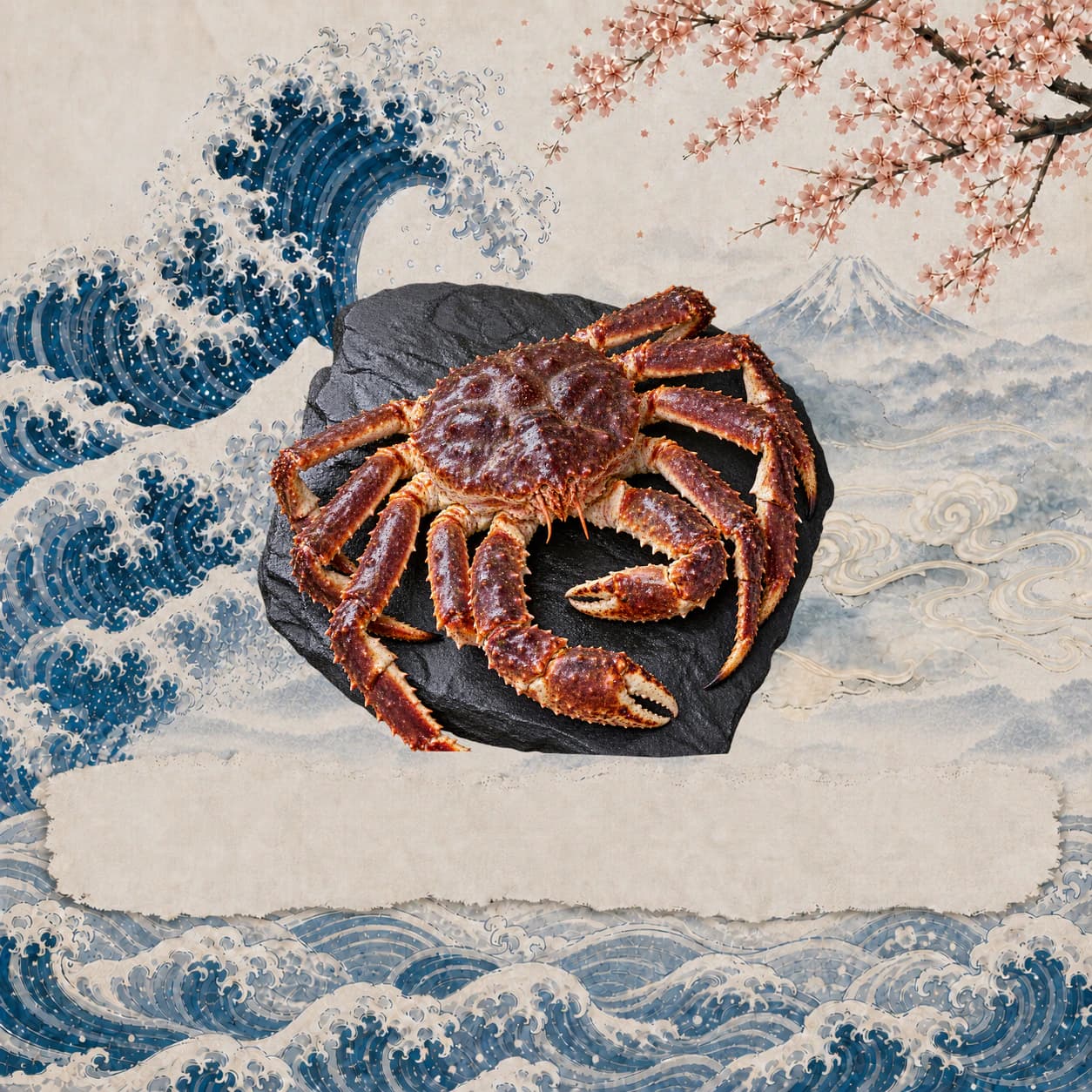
Live Alaskan King Crab, 活阿拉斯加帝王蟹Live AlaskanKing Crab活阿拉斯加帝王蟹

A much larger crab whose long leg sections shape the serving format.

Appearance / format
Whole live king crab with long leg and shoulder sections
Listed sizes
2.5–3 kg or 3–3.5 kg
Source / identity
Catalogue-listed as Live Alaskan King Crab
Best uses
Steaming, grilling and shared platters
Preparation
Plan a large cooking vessel and suitable shell tools, then cook thoroughly
Choose it when
Long leg portions and a large-format shared presentation are the priority

Live Tropical Lobster

Live Tropical Lobster, 活龍蝦Live TropicalLobster活龍蝦

A lobster format centred on the tail, with additional meat around the legs and body.

Appearance / format
Whole live lobster with a segmented tail, legs and body
Listed sizes
200–300 g, 300–400 g or 400–500 g
Source / identity
Catalogue-listed as Live Tropical Lobster
Best uses
Steaming, grilling and baking
Preparation
Ask SeaBaeHo for handling guidance if needed; prepare safely and cook thoroughly
Choose it when
You want a tail-centred whole-lobster presentation

Indonesian spiny lobsters

Seven live lobster varieties

Meet the seven Indonesian spiny lobster species in our sourcing range. Their colours, patterns and proportions are distinct, while live landings rotate with each catch.

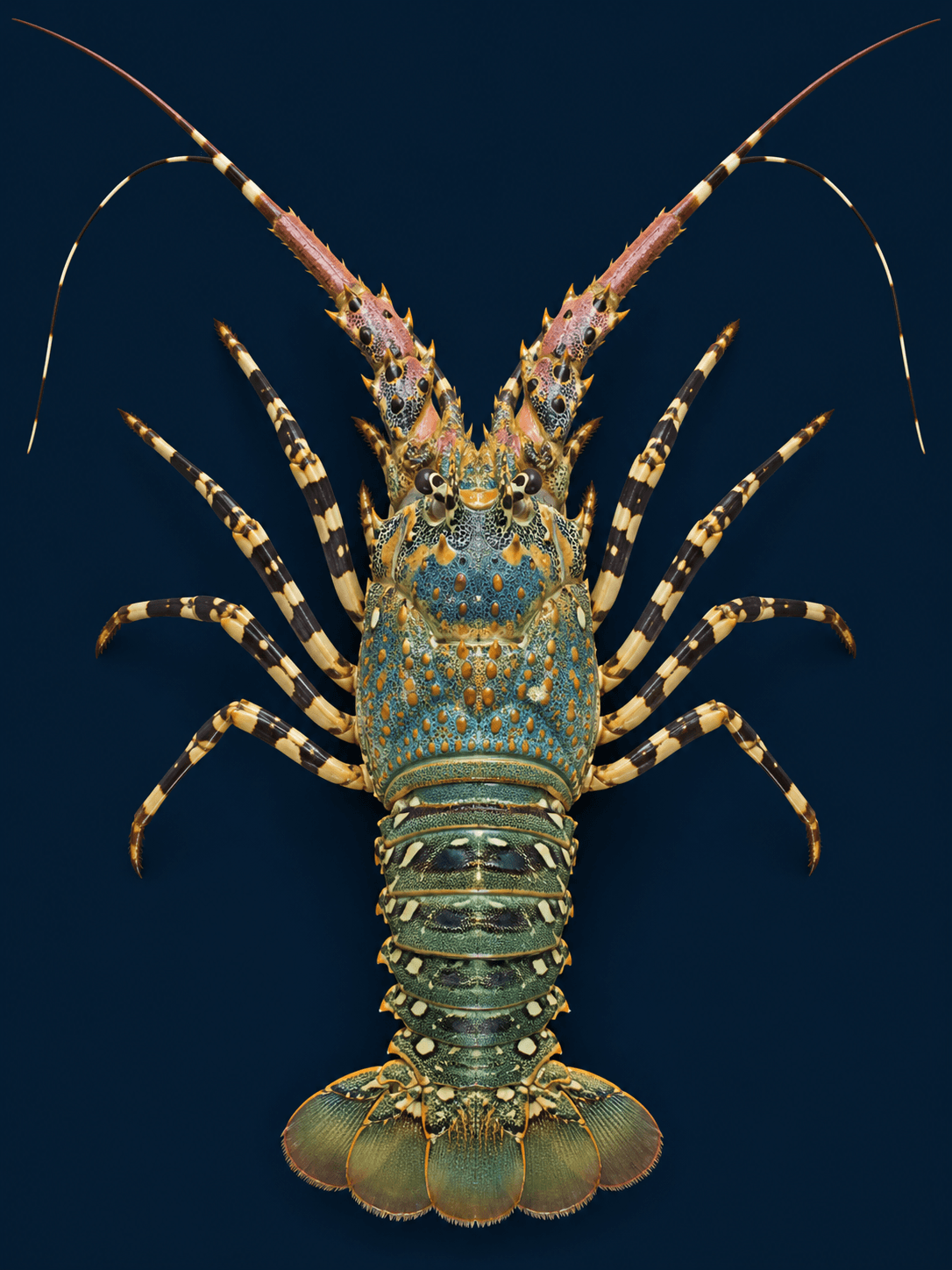
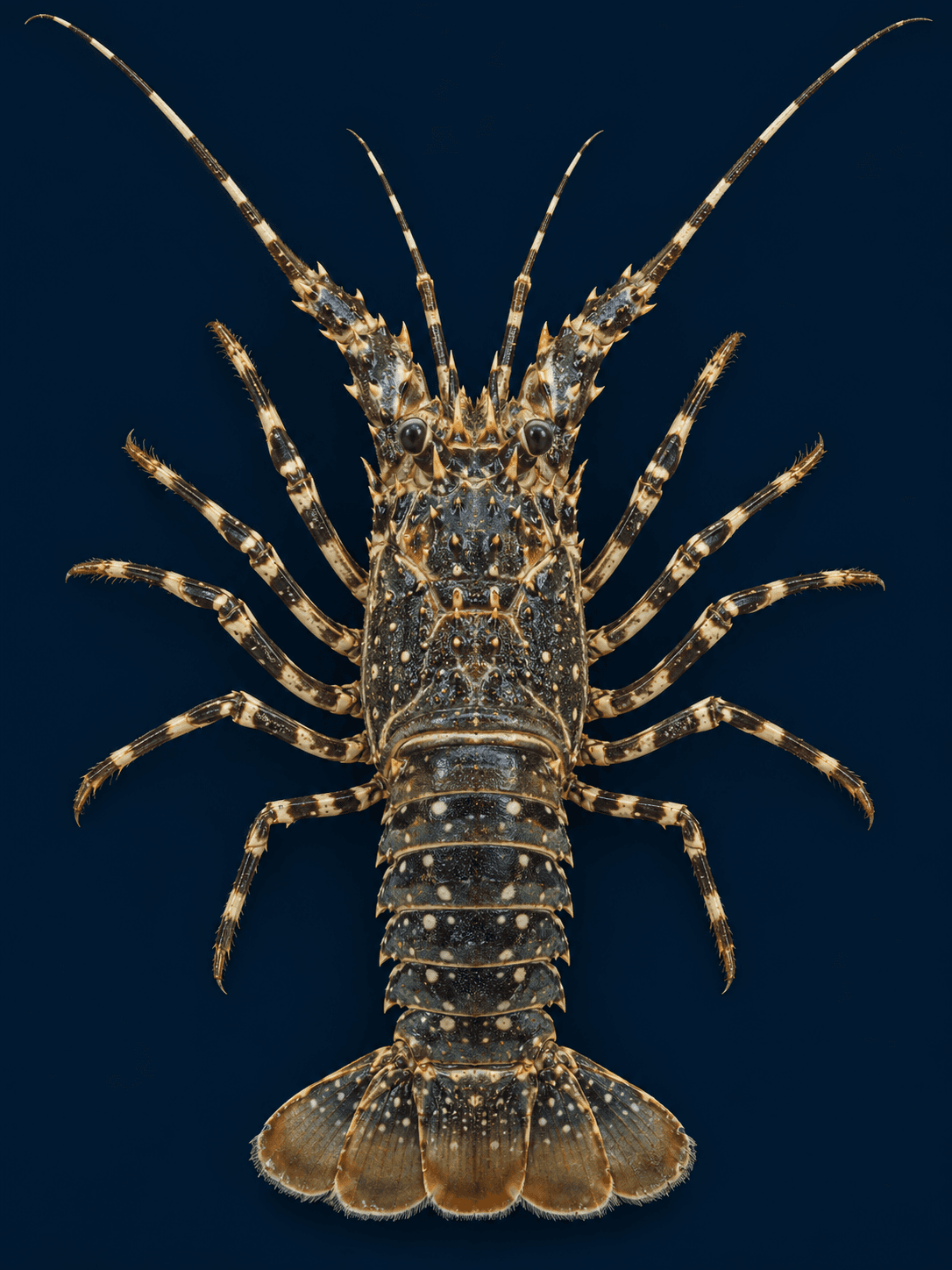
  1. Top-down portrait of an ornate spiny lobster with a blue-green and orange patterned shell

    Mutiara

    Ornate spiny lobster

    Panulirus ornatus

    Broad, smooth abdominal segments and conspicuously patterned walking legs help distinguish this species.

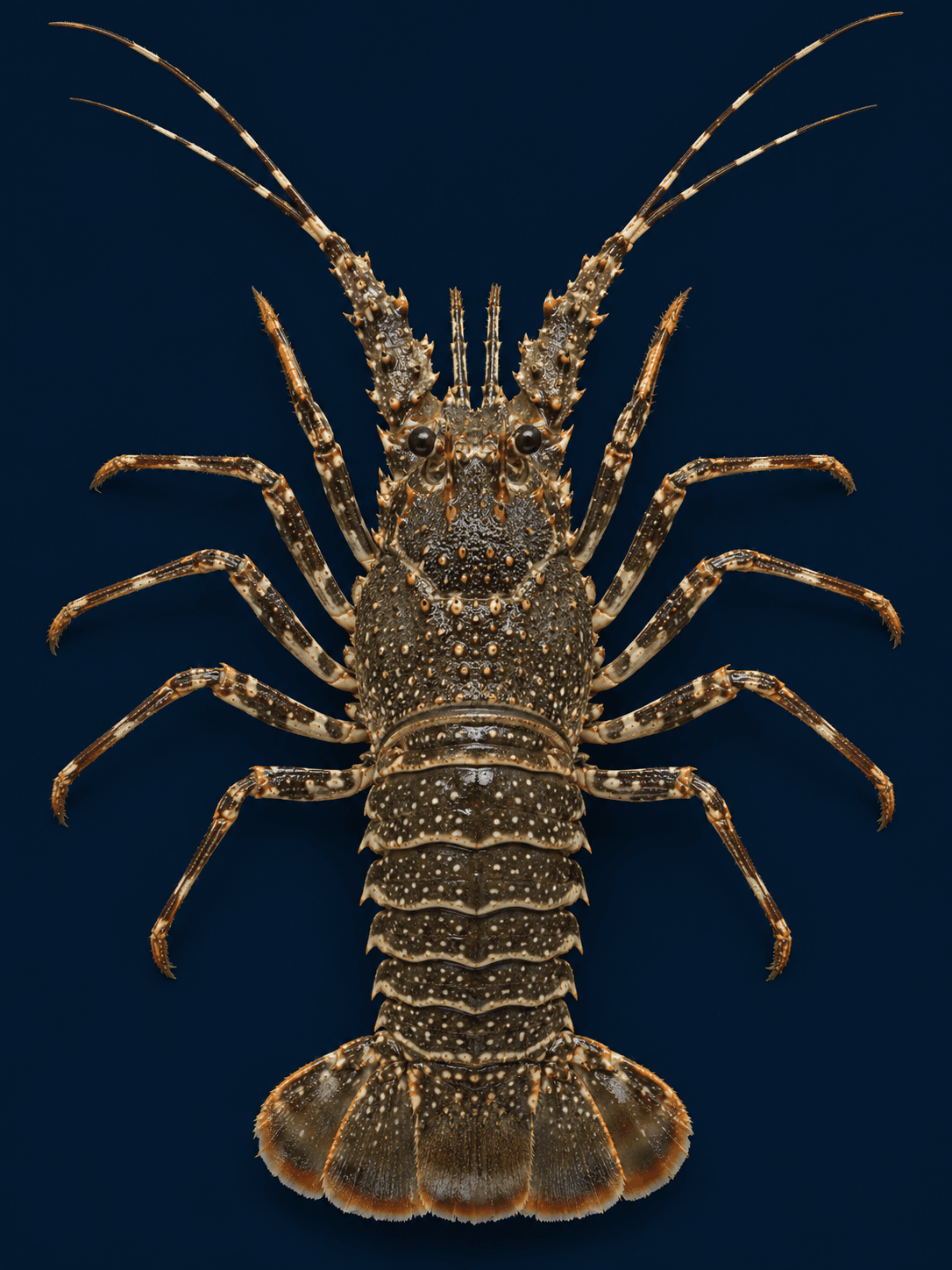
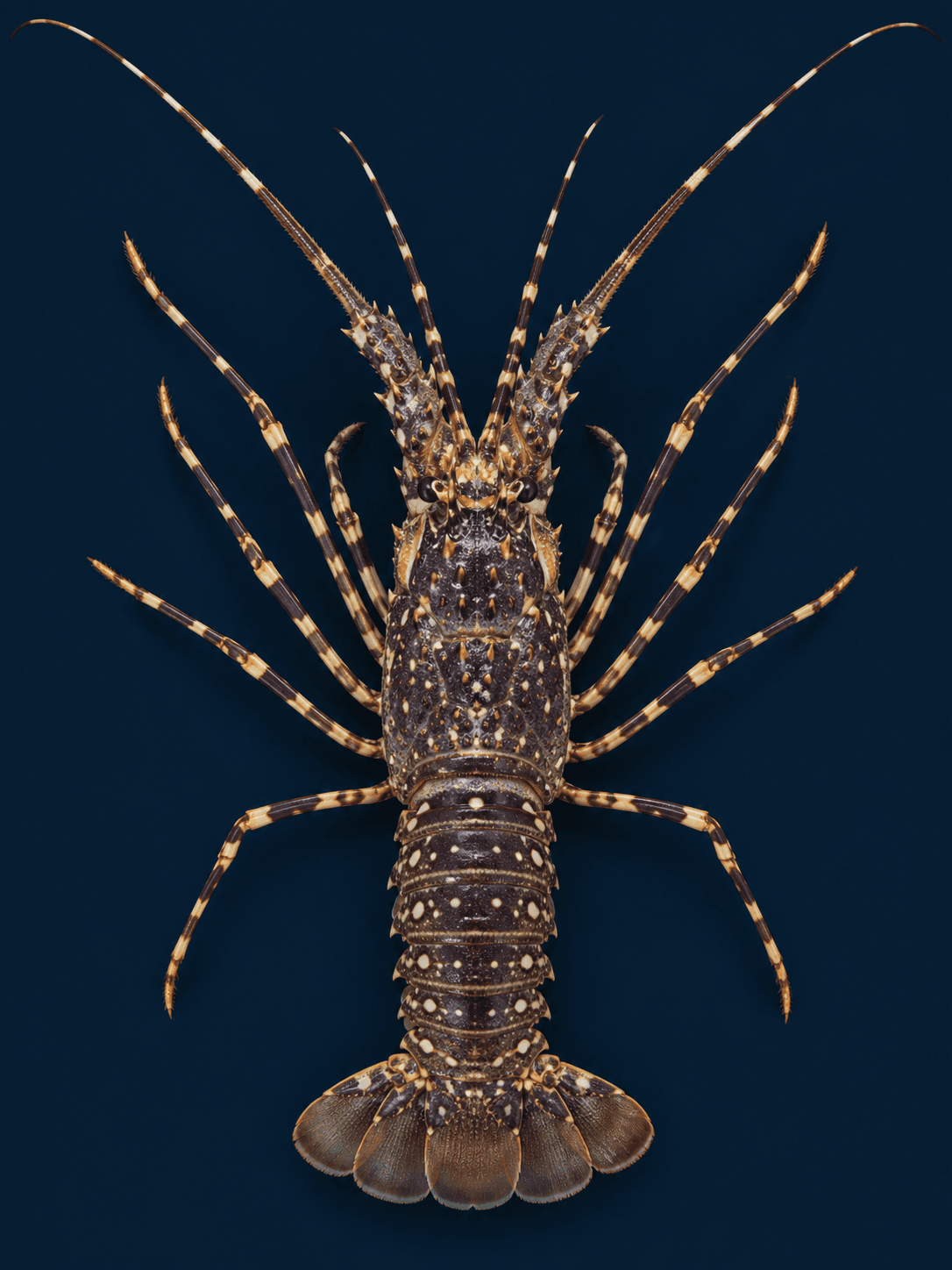
  2. Top-down portrait of a scalloped spiny lobster with a dark olive-brown spotted shell

    Pasir

    Scalloped spiny lobster

    Panulirus homarus

    Named for the shallow scalloped edge along the transverse grooves of its abdominal segments.

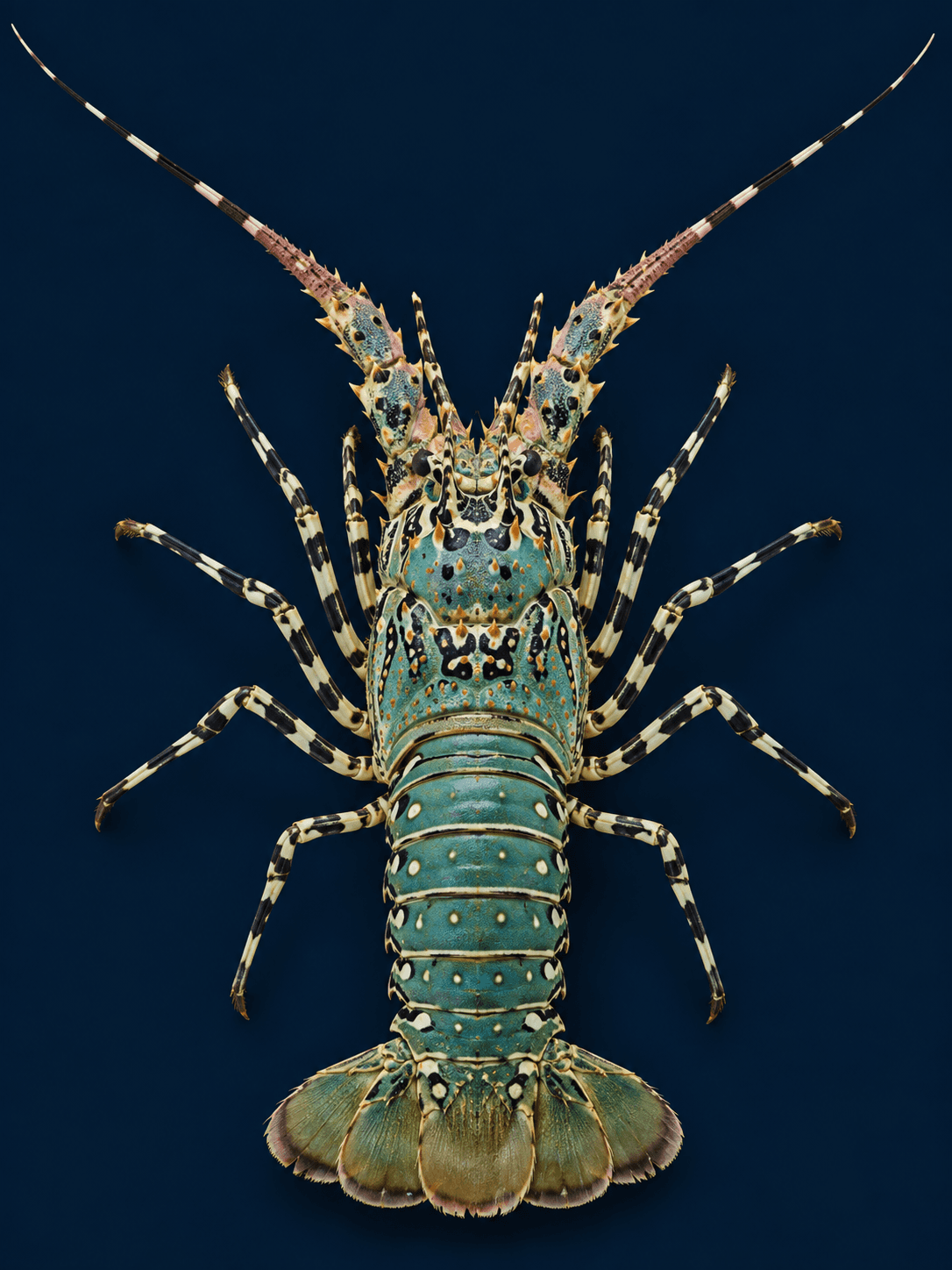
  3. Top-down portrait of a painted spiny lobster with a turquoise shell and striped legs

    Bambu

    Painted spiny lobster

    Panulirus versicolor

    Its green-blue body, pale lines and strongly striped legs create a distinctive painted pattern.

  4. Top-down portrait of a pronghorn spiny lobster with a dark shell and pale markings

    Batu

    Pronghorn spiny lobster

    Panulirus penicillatus

    The close-set principal spines between the antennae are an important identification feature.

  5. Top-down portrait of a longlegged spiny lobster with an indigo-brown spotted shell

    Batik

    Longlegged spiny lobster

    Panulirus longipes

    A brown-to-indigo body with pale spots and strongly patterned legs gives it a batik-like appearance.

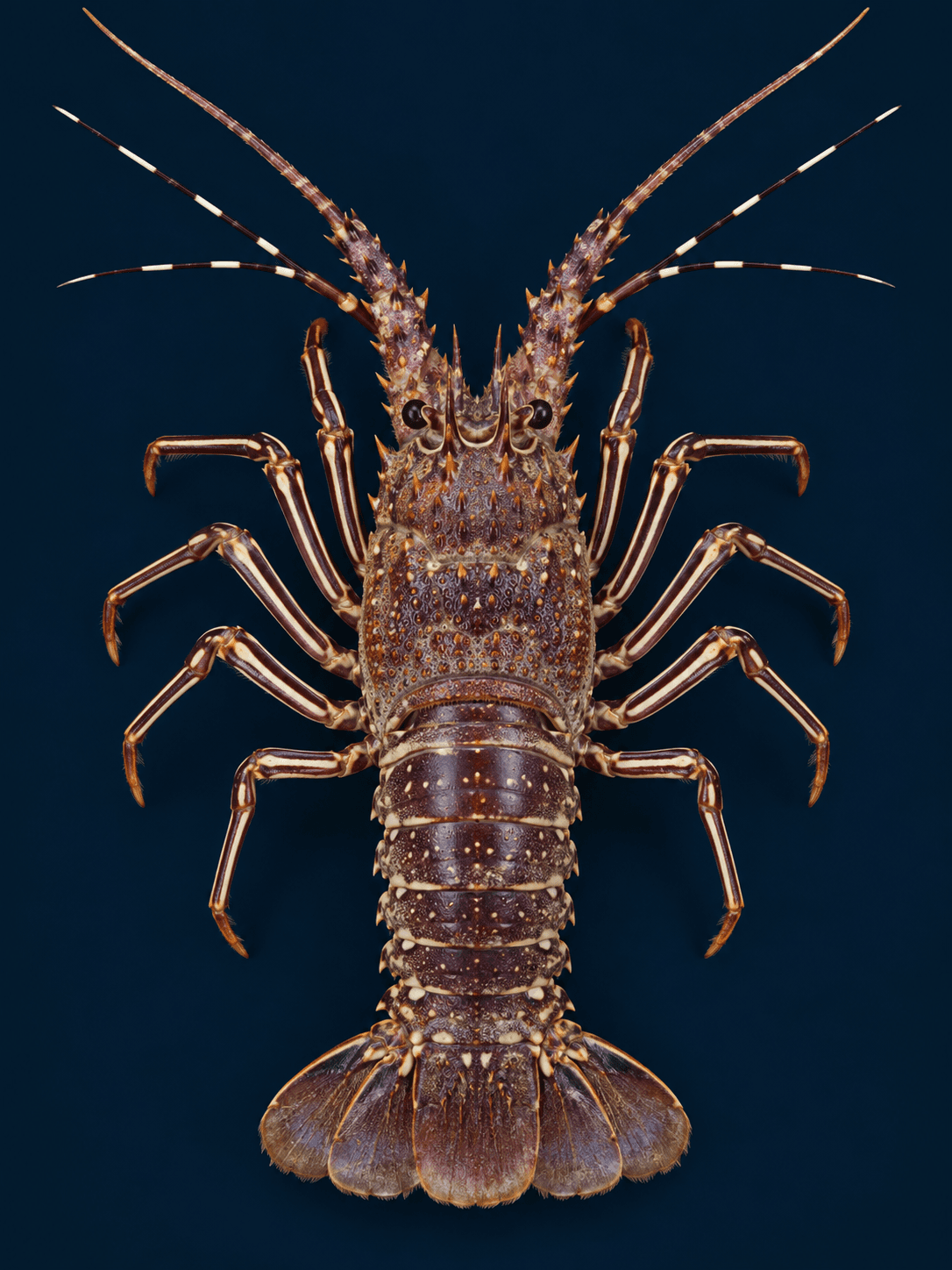
  6. Top-down portrait of a stripe-leg spiny lobster with a reddish shell and distinctly banded legs

    Batik Merah

    Stripe-leg spiny lobster

    Panulirus femoristriga

    Look for a reddish-brown body and high-contrast banding along the walking legs.

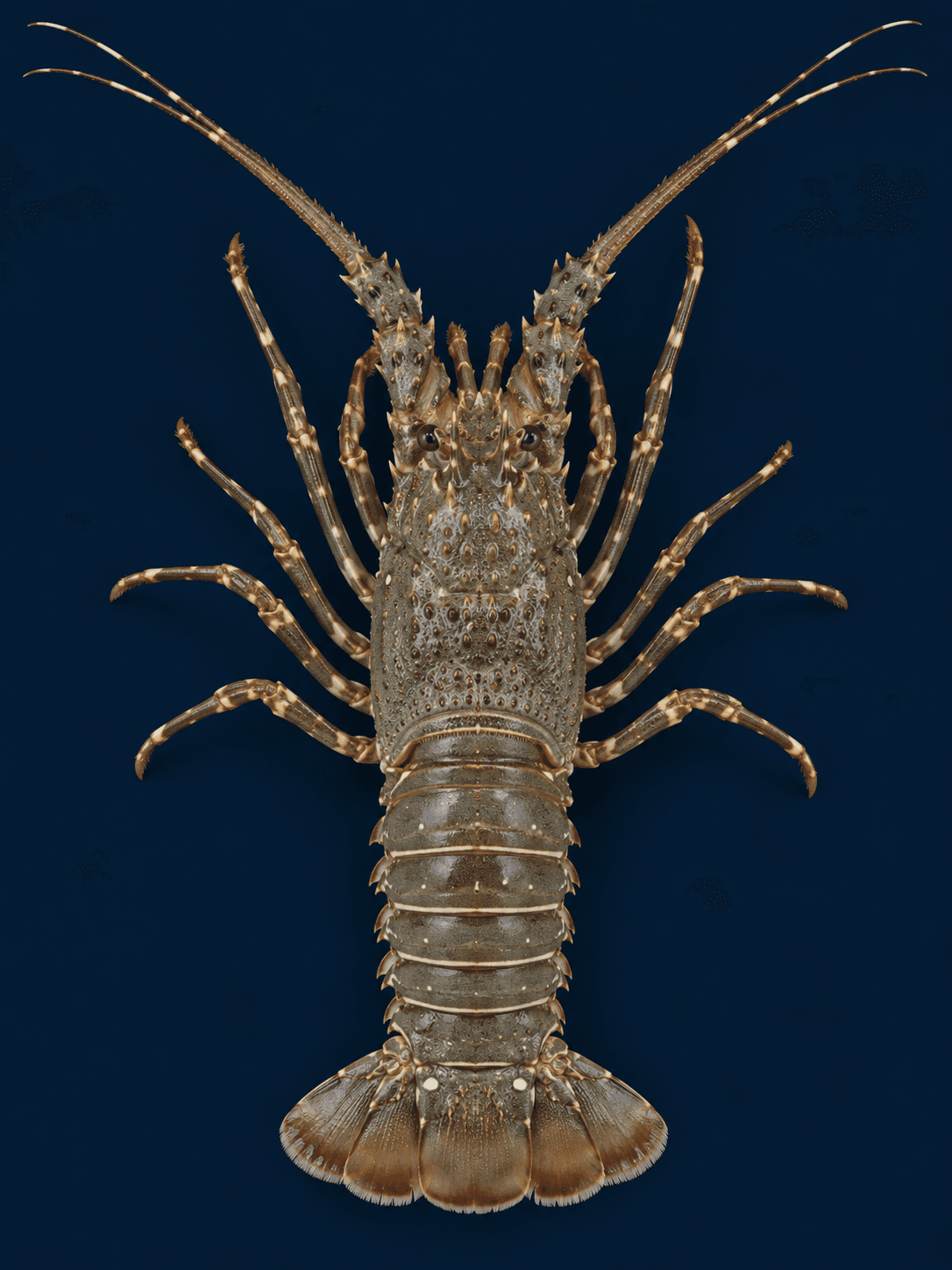
  7. Top-down portrait of a mud spiny lobster with an olive-grey shell and pale abdominal bands

    Pakistan / Lumpur

    Mud spiny lobster

    Panulirus polyphagus

    An olive-brown body and paler bands along the abdominal segments create a more restrained pattern.

Indonesian sourcing range Genus Panulirus

Today’s catch

One rotating Live Tropical Lobster listing covers all seven varieties. SeaBaeHo confirms today’s species, actual weight and final payable amount before payment.

Check today’s live lobster

Mud crab kitchen map

From shell to serving.

See where the meat sits, what to remove during cleaning and which parts need extra care at the table.

Top-down cooked mud crab with both claws and all walking legs visible
Whole cooked mud crab · top view
  1. Main meat

    Claws

    The largest concentrated pockets of meat. Crack the shell after cooking and lift the meat out gently.

  2. Inside the body

    Body chambers

    Several smaller chambers beneath the carapace hold body meat. Split the cooked body into sections for easier picking.

  3. Smaller pockets

    Walking legs

    The walking legs hold smaller pockets of meat. Twist at the joints and crack the thicker sections carefully.

  4. Structure

    Carapace

    The hard upper shell protects the body but has sharp edges. Use stable tools and handle it with care.

  5. May be present

    Roe

    Some female crabs may carry roe; it is not present in every crab. Cook the crab thoroughly before serving.

  6. Remove

    Gills & digestive gland

    Discard the feathery gills. The soft digestive gland, sometimes called mustard, is not ordinary muscle meat; this guide does not recommend serving it.

In your kitchen

Handle with confidence.

Ask before preparing

If you are unfamiliar with live seafood, ask SeaBaeHo for preparation guidance before handling it at home.

Cook thoroughly

Keep raw seafood separate from cooked food and cook it thoroughly. Wash hands, tools and surfaces after raw contact.

Use the right tools

Crab and lobster shells can be sharp. Stable boards, kitchen shears and proper seafood crackers make portioning safer.

Sources & safety

Read the original guidance.

Crab ‘mustard’ and lobster tomalley are digestive glands, not ordinary muscle meat, and can hold higher contaminant concentrations. Guidance differs by source and jurisdiction; the safest guide should not promote eating them. This page is general information, not medical advice.